
Weight loss when the scale stalls
On weight loss medication, the scale can stall for weeks, but metabolic and energy wins are already happening inside. Here is what to track instead.
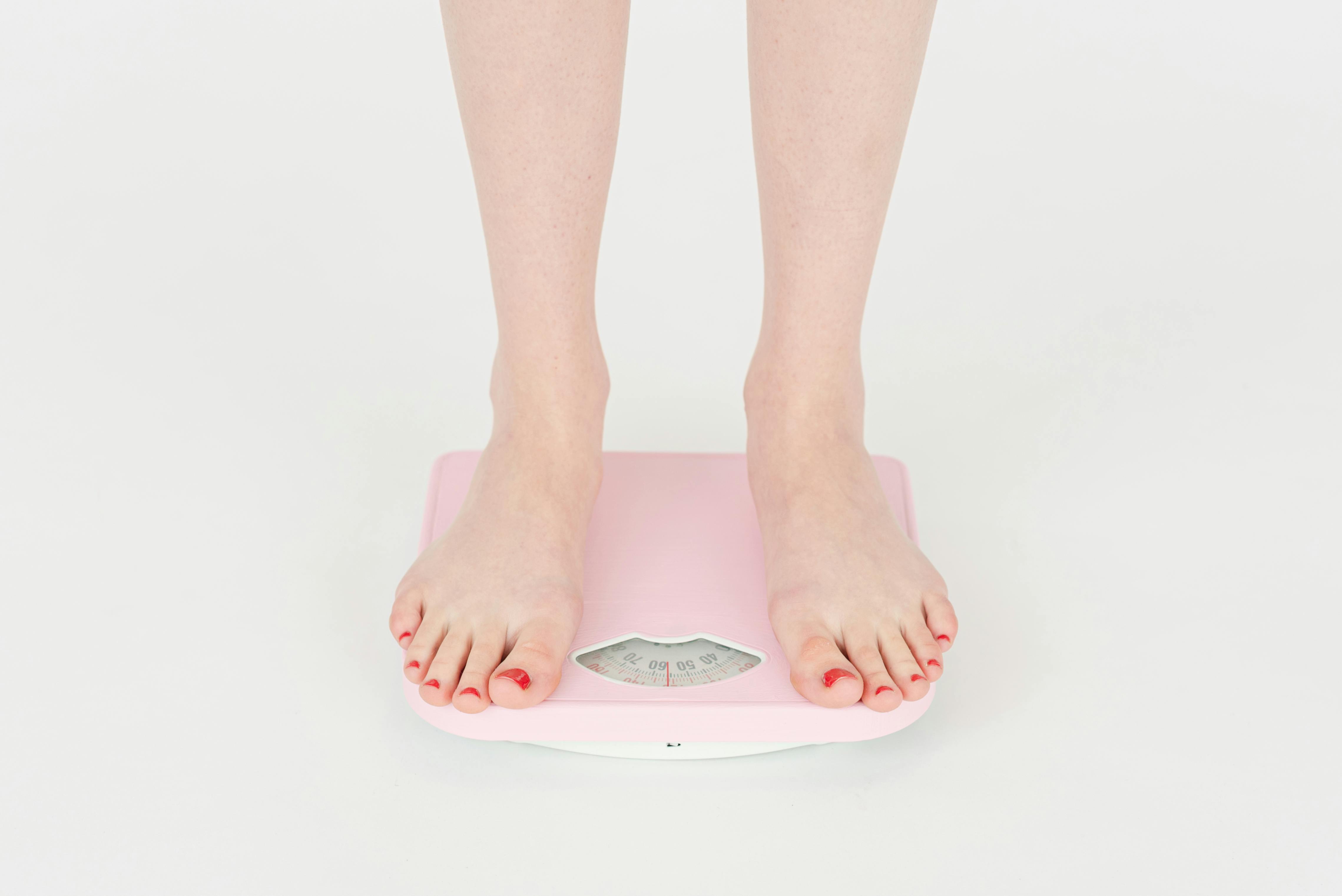
Anyone using weight loss medication has been there. The scale sits on the same number for a week or two in a row. The jeans feel the same. Progress photos look identical. It is tempting to conclude that nothing is working. It is rarely true.
For most people starting treatment, weight loss is a slow, uneven process with lots of invisible steps before the visible ones. The real change is often happening in places the scale cannot measure.
Appetite regulation has already reset
One of the first, and most invisible, changes on GLP-1 based medication is a shift in how hunger and fullness feel in the brain. The day the biscuit tin stops screaming does not show up in kilograms, but it is a real biological change.
Thoughts about food are still there, but the urgency is lower. "I must eat now or I cannot concentrate" turns into "I could eat, or I could wait another hour." This kind of internal chatter is what clinicians and people on treatment often call food noise, and a drop in its volume is usually the first sign the medication is doing its job. When this shift is in place, long-term calorie deficit becomes sustainable, not a white-knuckle effort. Learn more about food noise, and how to work with it during treatment, in this guide: Food noise and how to deal with it.
Blood sugar, insulin, and inflammation
A better relationship with food usually begins to improve metabolic markers well before weight trends down on the scale. Fasting blood sugar, insulin sensitivity, HbA1c, and triglycerides often shift in the first one to three months, even when scale loss is modest.
Many long-term health benefits come from these metabolic changes, not just from a lower body mass index. Lower blood pressure, better sleep, less reflux, and easier movement all signal treatment is working, whether the scale agrees this week or not.
Waist, energy, and the clothing check
Clothing fits and energy levels rarely lie, even when daily weight fluctuates. If waistbands feel looser one morning, if the office stairs feel easier, if a long walk no longer wipes out the rest of the day, those are real physiological wins. They do not show up on a Monday morning weigh-in, but they predict how the next few months are likely to go.
Weight is not a single number dropping in a straight line. The body releases stored water, shifts glycogen stores, and holds onto fluid around dose changes. A scale that reads the same for two weeks can mask genuine fat loss temporarily hidden by other changes.
What to track instead of the scale
If the number on the scale is not moving for a couple of weeks, the clearest signal usually comes from checking a short list of non-scale observations once a week:
- Food noise and snacking thoughts. Is the chatter about snacks, biscuits, or takeaways quieter than it was four weeks ago? Does it come later in the day, or is it easier to ignore?
- Meal comfort. Can someone comfortably eat two meals a day without feeling like they are running on empty, or does a smaller portion now feel fully satisfying?
- Clothing fit. How do the jeans, the work trousers, the belt hole, or a fitted dress fasten compared with a month earlier?
- Sleep quality. Is falling asleep easier, is waking up in the night less common, or is the morning grogginess lighter?
- Symptoms that used to be background noise. How is acid reflux, heartburn, PMS intensity, joint pain in the knees or hips, or afternoon slumps?
- Movement and daily steps. Does a long walk, the office stairs, or a household chore feel noticeably easier or less tiring?
- Clinic numbers where available. If someone has a blood pressure cuff at home or a recent set of blood results, a drop in resting blood pressure, fasting blood sugar, triglycerides, or HbA1c is one of the clearest invisible wins there is.
There is nothing wrong with wanting to see a number on the scale drop. It is one clear form of feedback. But it is the slowest and least reliable in the first few months. The change is already happening. It just has not arrived on the scale yet.
References
Photo credit: Photo by SHVETS production on Pexels.com
Previous post
How to choose the best jab sites for weight loss injections
This guide will help you to pick the right body spot for your GLP-1 weight loss pens, rotate safely, and avoid irritation for a better experience.
Read previousNext post
Food noise and quieting the constant food thoughts
Even with reduced physical hunger on weight loss medication, mental chatter about food can still run loud. Learn what food noise is, what keeps it going, and practical ways to manage it.
Read nextFind the right provider
Compare providers, treatment options, pricing, and support side by side
Browse treatment options and complimentary support services from different providers, compare pricing, what is included, and shortlist the options that's suitable for your budget, preferences, and treatment needs before you commit.