
Managing collagen during weight loss: how to support skin and joints
Weight loss can affect skin elasticity and joint comfort. Learn practical steps to support collagen production, protect muscle, and keep your skin looking healthy.
When the body loses weight, it is not just fat that changes. Muscle tone, hydration, hormone balance, and the structural support of the skin all shift. Collagen, the protein responsible for skin firmness and joint cushioning, is one of the areas most affected.
For individuals going through medication-assisted weight loss, supporting collagen is not about buying expensive supplements. It is about understanding what the body needs to build and maintain its own structural proteins while the composition changes. Here is what matters most.
Why collagen matters during weight loss
Collagen forms the scaffolding under the skin and gives structure to tendons and ligaments. During weight loss, fat volume under the skin reduces, which can leave skin appearing looser, especially around the arms, stomach, thighs, and face. Calorie restriction can leave fewer building blocks available for protein synthesis, and rapid loss can outpace the skin's natural remodelling timeline. Losing muscle mass worsens both the appearance of loose skin and metabolic support.
Genetics, age, sun exposure, smoking history, total weight lost, and the rate of loss all influence how the skin responds, but there are concrete habits that can help the body do its best work.
The building blocks of collagen: protein first
Collagen is made from amino acids, particularly glycine, proline, and hydroxyproline. The body cannot make collagen reliably without enough total protein each day and the micronutrients that assemble amino acids into strong fibres.
Aim for 1.2g to 1.6g of protein per kilogram of target body weight per day, spread across 3 to 4 meals. Prioritise complete sources such as chicken, fish, eggs, Greek yoghurt, tofu, lentils combined with grains, or protein powder if needed. Even, regular intake gives the body a consistent supply of building blocks rather than one large hit at dinner.
If someone is eating a calorie deficit and relying heavily on ultra-processed foods or skipping protein, the skin and joints will notice before anything else. Protein is the foundation, and everything else builds on top of it.
Vitamin C, zinc, and the other cofactors
Protein alone is not enough. The enzymatic reactions that turn amino acids into collagen fibres rely on micronutrients, and vitamin C is the most important. Without it, the body cannot create stable collagen cross-links, and the resulting fibres are weaker.
Key nutrients to include most days:
- Vitamin C: bell peppers, citrus, kiwi, strawberries, broccoli, and Brussels sprouts. A single medium bell pepper contains roughly a full day's requirement.
- Zinc: pumpkin seeds, oysters, red meat, lentils, and chickpeas. Zinc supports wound healing and cell turnover.
- Copper: dark chocolate, cashews, sesame seeds, and mushrooms. Copper is involved in the cross-linking of collagen and elastin.
- Vitamin A: sweet potato, carrots, spinach, kale, and eggs. Vitamin A supports skin cell turnover and the health of the dermis.
- Omega-3 fatty acids: salmon, sardines, mackerel, chia seeds, and walnuts. These support the fatty barrier of the skin and reduce low-level inflammation that can interfere with repair.
A colourful plate at most meals is usually the simplest guarantee that these cofactors arrive in the ratios the body actually uses.
Resistance training: the underrated collagen habit
When most people think about collagen, they think about skin. But the biggest lever for body composition, and for how "supported" the skin looks, is muscle.
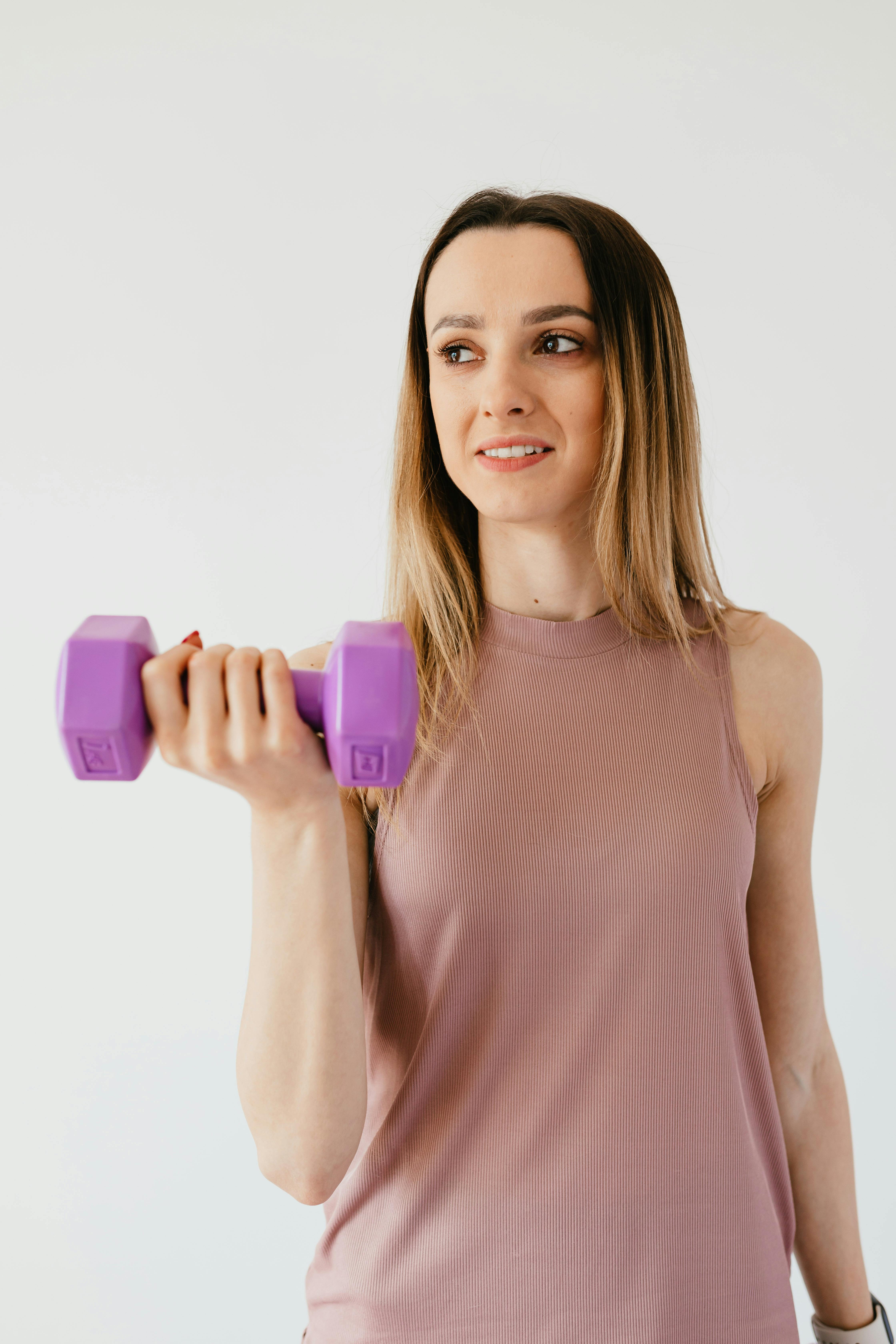
Resistance training sends strong signals to the body to retain and build lean mass during a calorie deficit. Muscle fills out the shape of the arms, legs, shoulders, and torso, reducing the appearance of loose skin even before the skin itself has time to adapt. It also places gentle stress on tendons, ligaments, and fascia, stimulating collagen turnover and better joint resilience over time.
Two to four sessions of 20 to 45 minutes per week is enough for most adults. Focus on compound movements such as squats, lunges, hip hinges, rows, presses, push-ups, and pulling movements, and build very gradually from week to week. For individuals on medication-assisted weight loss where appetite can drop significantly, pairing resistance training with adequate protein intake matters even more. The medication helps with the fat side of the equation. Strength training protects the rest.
Sleep, stress, and hydration
Two of the most underdiscussed factors affecting skin and collagen during weight loss are sleep quality and chronic stress. The body does the majority of its repair work, including collagen synthesis and skin cell turnover, during deep sleep. Growth hormone, which plays a central role in tissue repair, is released most strongly during the earlier part of the night.
Chronic stress, on the other hand, raises cortisol. Over long periods, cortisol can break down collagen and elastin, thin the skin, and slow wound healing. Aim for 7 to 9 hours most nights on a consistent schedule and add one short 10-minute relaxation ritual per day, such as a walk outside or deep breathing. Even a small amount of light in the bedroom can interfere with deep sleep, so keep it cool, dark, and quiet.
Dehydrated skin looks duller, feels tighter, and shows texture more clearly. During weight loss, less food volume often means less water consumed through food, and some weight loss medications can have a mild diuretic effect. Start the day with a large glass of water, keep a bottle visible to sip throughout, eat water-rich foods such as cucumber, tomato, melon, oranges, and leafy greens, and check urine colour to stay within the pale-straw range. Avoid using extreme thirst as the cue to drink, because by then skin plumpness and concentration have already dipped.
Sun protection and rate of loss
Nothing breaks down existing collagen faster than unprotected sun exposure over time. UV radiation triggers enzymes that break down collagen and elastin, causes oxidative damage, and accelerates the visible signs of ageing. For skin that is already adapting to a new body shape, sun protection is the single most effective investment in keeping what collagen is already there.
Apply a broad-spectrum SPF 30 or higher to the face, neck, and hands every morning, regardless of weather. Reapply every 2 hours if spending time outside, or after sweating or towelling. Seek shade during the brightest part of the day when possible, and wear a wide-brimmed hat and UV-protective clothing for long walks. Consistency matters more than the brand.
When weight loss happens very quickly, the skin has less time to retract and remodel. Slower, steadier rates of 0.5kg to 1kg per week, combined with strength training, protein, and good sleep, typically produce better skin outcomes than very rapid drops. Some individuals on medication-assisted weight loss may see slightly faster rates in the first month as fluid and glycogen stores adjust. After that, a gradual pace gives the skin its best chance.
What to remember
Even with all of the above, some individuals will still notice looser skin, especially after losing a large amount of weight or after many years of fluctuations. This is normal. Age, genetics, prior pregnancies, smoking history, and total weight lost all influence how the skin responds.
The skin will continue to adapt for up to 1 to 2 years after a stable weight is reached. If, after that time, loose skin still causes discomfort or functional problems, a discussion with a specialist about dermatological or surgical options can be worth having. For most people, however, the non-invasive habits outlined above will make the biggest meaningful difference.
References
- Ganceviciene R, Liakou AI, Theodoridis A, Makrantonaki E, Zouboulis CC. Skin ageing: an overview. Journal of the European Academy of Dermatology and Venereology. 2017;31 Suppl 1:8-12.
- Phillips CL, Combs BS, Zemel BS, et al. Dietary protein intake is associated with lean mass change in older, community-dwelling adults. American Journal of Clinical Nutrition. 2010;91(1):130-135.
- Pullar JM, Carr AC, Vissers MCM. The Roles of Vitamin C in Skin Health. Nutrients. 2017;9(8):866.
- Westcott DJ, Winett RA. Resistance training is medicine: effects of strength training on health. Current Sports Medicine Reports. 2013;12(4):209-216.
- Irwin MR. Sleep and inflammation: partners in sickness and in health. Nature Reviews Immunology. 2019;19(12):702-715.
Photo credit: Photo by Shiny Diamond: on Pexels.com
Previous post
Food noise and quieting the constant food thoughts
Even with reduced physical hunger on weight loss medication, mental chatter about food can still run loud. Learn what food noise is, what keeps it going, and practical ways to manage it.
Read previousNext post
Is this provider right for me?
A practical checklist for comparing weight loss treatment providers on safety, pricing, medication options, support, and eligibility so you can choose with confidence.
Read nextFind the right provider
Compare providers, treatment options, pricing, and support side by side
Browse treatment options and complimentary support services from different providers, compare pricing, what is included, and shortlist the options that's suitable for your budget, preferences, and treatment needs before you commit.