The anti-snacking protocol for medication-assisted weight loss
Practical habits and strategies to curb snacking and manage cravings, especially when using medication-assisted weight loss.
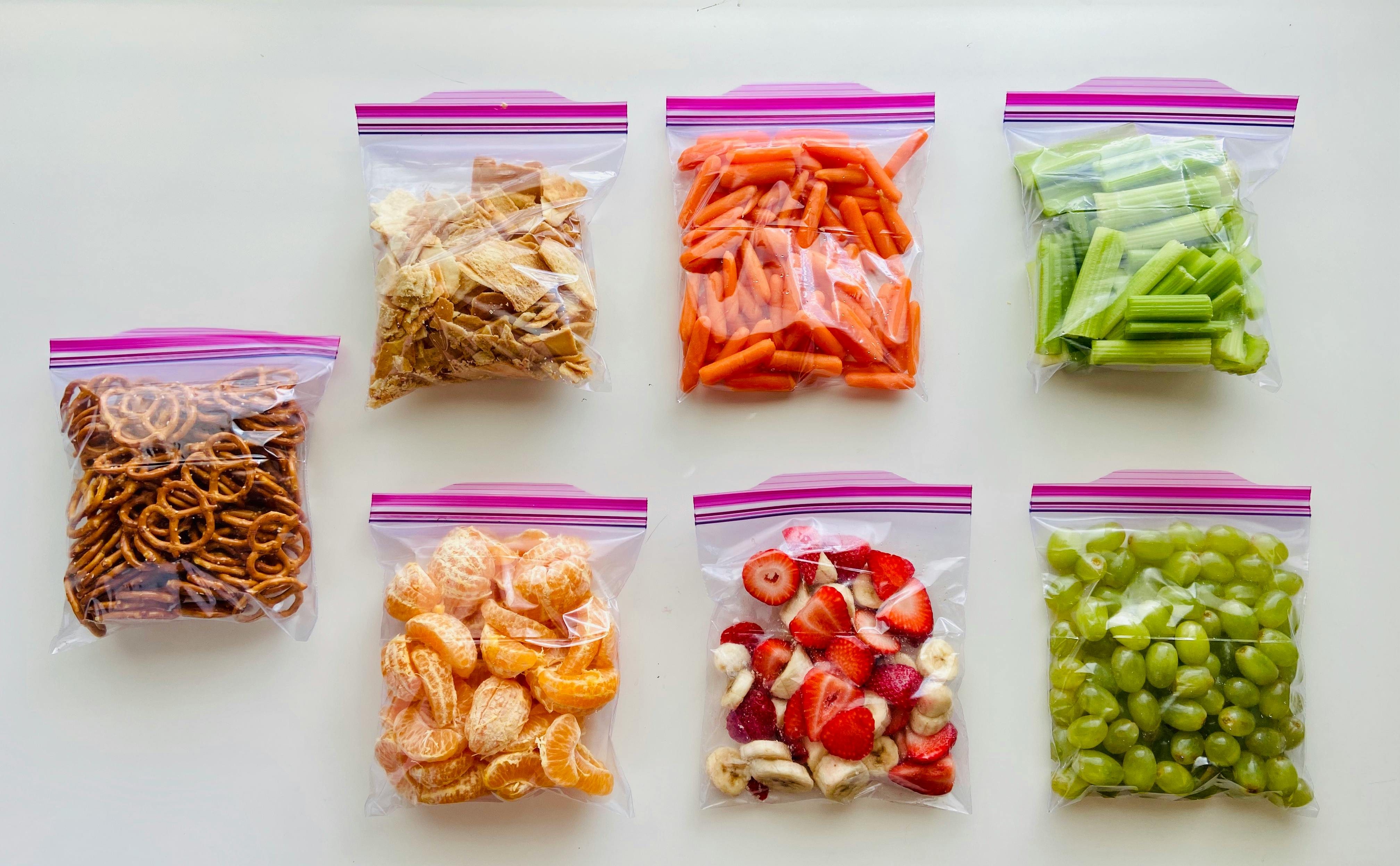
One of the most common hurdles in any weight loss journey is the battle against snacking. For individuals utilizing medication-assisted weight loss, the reduced appetite can be a powerful ally, but old habits and psychological triggers can still lead to unnecessary snacking. Drawing inspiration from community discussions and expert advice, this guide outlines an effective "Anti-Snacking" protocol to help you master your cravings and optimize your weight loss efforts.
Understanding the Snacking Habit
Snacking is often more than just physical hunger. It can be a response to stress, boredom, habit, or even social cues. While GLP-1 medications can significantly reduce physiological hunger, the mental and emotional aspects of snacking still need to be addressed. Many in online communities, like Mumsnet, have found success by consciously eliminating snacking and adopting new strategies [4].
The "Ozempic Mindset" Without the Shot
Even if you're not on GLP-1 medication, or if you are and want to reinforce its effects, adopting an "Ozempic mindset" can be incredibly powerful. This involves consciously recognizing that your body likely doesn't need the extra food and focusing on satiety signals. It's about retraining your brain to differentiate between true hunger and other triggers.
Key Principles of the Anti-Snacking Protocol:
- Structured Meal Times: Establish clear meal times and stick to them. This helps regulate your body's hunger signals and reduces the likelihood of grazing throughout the day.
- Hydration First: Often, thirst is mistaken for hunger. Before reaching for a snack, drink a large glass of water or a hot, unsweetened beverage. This simple act can often curb the craving [4].
- Hot Drink Substitutions: As observed in community discussions, replacing a snack with a hot drink (like herbal tea, black coffee, or clear broth) can provide a sense of comfort and fullness without adding calories [4]. The warmth can be particularly satisfying.
- High-Protein Breakfasts: Starting your day with a protein-rich breakfast can significantly impact satiety throughout the day, reducing the urge to snack later on. Protein helps stabilize blood sugar and keeps you feeling fuller for longer [2].
- Mindful Eating: When you do eat, pay attention to your food. Eat slowly, savor each bite, and listen to your body's fullness cues. This can prevent overeating at meals and reduce the desire for snacks.
- Identify Triggers: Keep a journal to note when and why you feel the urge to snack. Is it stress? Boredom? A particular time of day? Understanding your triggers is the first step to breaking the habit.
- Create a "No-Snack Zone": Designate certain times or places where snacking is off-limits. For example, commit to no snacking after dinner or while watching TV.
- Plan Ahead: If you anticipate a situation where you might be tempted to snack (e.g., a long meeting, travel), plan a healthy, protein-rich mini-meal or a designated hot drink instead.
Reinforcing Your Medication's Effects
For those on medication-assisted weight loss, this anti-snacking protocol complements the physiological effects of GLP-1 agonists. By consciously managing your eating patterns and addressing behavioral triggers, you can enhance the medication's efficacy, promote more consistent weight loss, and build sustainable habits for the long term.
Remember, consistency is key. It takes time to break old habits and form new ones. Be patient with yourself, celebrate small victories, and don't hesitate to seek support from healthcare professionals or online communities as you navigate your anti-snacking journey.
References
[1] UCL News. (2026). 1.6 million UK adults used weight loss drugs in past year. Retrieved from https://www.ucl.ac.uk/news/2026/jan/16-million-uk-adults-used-weight-loss-drugs-past-year [2] Chemist4U. (2025). UK Weight Loss Statistics. Retrieved from https://www.chemist-4-u.com/guides/weight-loss/weight-loss-statistics/ [3] The Independent Pharmacy. (2025). The UK’s Most Googled Diets Revealed by Search Data. Retrieved from https://www.theindependentpharmacy.co.uk/weight-loss/guides/uk-most-googled-diets [4] Mumsnet. (2024). 2025 Weight Loss, what's your plan? Retrieved from https://www.mumsnet.com/talk/weight_loss_chat/5241925-2025-weight-loss-whats-your-plan [5] Mumsnet Advertising. (2025). Wellbeing 2025. Retrieved from https://advertising.mumsnet.com/insights/wellbeing-2025 [6] AHDB. (2026). The new consumer health revolution. Retrieved from https://ahdb.org.uk/news/consumer-insight-the-new-consumer-health-revolution [7] Nutritionist Resource. (2025). Current TikTok weight loss trends debunked. Retrieved from https://www.nutritionist-resource.org.uk/articles/current-tiktok-weight-loss-trends-debunked
Photo credit: Photo by Bora C on Pexels.com
Previous post
The eating and exercise guide to your GLP-1 journey
Practical advice on nutrition, exercise, and managing common side effects to support a successful and sustainable weight loss journey.
Read previousNext post
Wegovy injections vs Wegovy pills vs Mounjaro
Compare Wegovy injections, Wegovy pills, and Mounjaro by results, dosing, and who may consider each option with clinician support.
Read nextFind the right provider
Compare providers, treatment options, pricing, and support side by side
Browse treatment options and complimentary support services from different providers, compare pricing, what is included, and shortlist the options that's suitable for your budget, preferences, and treatment needs before you commit.